Should I Add My Child to My Deed? What a Santa Barbara Estate Planning Attorney Wants You to Know First
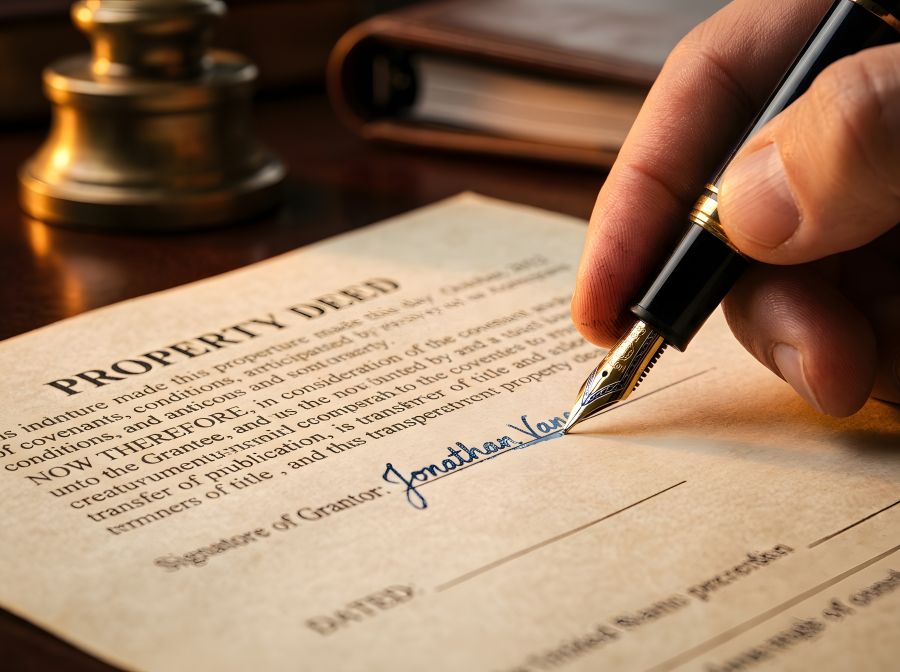
The idea sounds simple and generous. Add your son or daughter to the deed, and the house passes to your child automatically when you die, with no court involved. I hear the question every week. Adding a child to a deed can work, but the move carries trade-offs that most people never hear about until later. You deserve the full picture before you sign.
What actually happens when I add my child to my deed?
You are making a gift. Your child becomes a co-owner of your home today, not at your death. From that day forward, you generally need your child’s signature to sell the house or refinance the mortgage. Co-ownership is also difficult to undo if circumstances change, because your child would have to agree to sign the interest back.
What are the risks of co-owning my home with my child?
Your home becomes tied to your child’s financial life. If your child goes through a divorce, is sued after a car accident, or falls behind on debts, the child’s share of your home may be within reach of those claims.
Carol added her son to her deed to keep things simple. Two years later, his business failed, and a creditor placed a lien against his interest in her house. Carol had done nothing wrong, and she could not sell or refinance until the lien was resolved.
Are there tax consequences?
There can be. When a child inherits a home at a parent’s death, the tax rules are often favorable if the child later sells. A child who receives a share as a lifetime gift may not get the same treatment on that share and could owe more in capital gains tax down the road. The details depend on your situation, and a tax professional should review the numbers.
Could adding my child to the deed affect my eligibility for long-term care benefits?
Possibly. Programs that help pay for long-term care look closely at gifts and transfers, and the rules vary by state. A deed change made with good intentions today could create a problem if you need care later. Anyone concerned about future care costs should talk with an elder law attorney in Santa Barbara before changing a deed.
What can I do instead?
Several tools can pass your home to your child without giving up ownership now:
- A living trust. You stay in control during your life, and the home passes to your child without probate.
- A transfer-on-death deed. Available in some states. The home passes at death, and you can change your mind at any time.
- A power of attorney. If your real goal is to let your child help manage things, a power of attorney gives authority without giving ownership.
Your instinct to make things easier for your child is a good one. The right tool depends on your home, your family, and your state. Before you sign a new deed, give our office a call at (805) 946-1550. We are happy to walk through the options with you so your home passes the way you intend.
Author Bio

Julianna Malis is the Founder and Managing Partner of Santa Barbara Estate Planning & Elder Law, a Santa Barbara estate planning law firm she founded in 2014. With more than 25 years of experience practicing law, she has dedicated her career to representing clients in a wide range of legal matters, including estate planning, elder law, Medicaid and Medicare planning, probate, and other estate planning areas.
Julianna received her Juris Doctor from the University of the Pacific — McGeorge School of Law and is a member of the State Bar of California.