Can You Throw Away a Deceased Person’s Belongings Before Probate in Santa Barbara County?
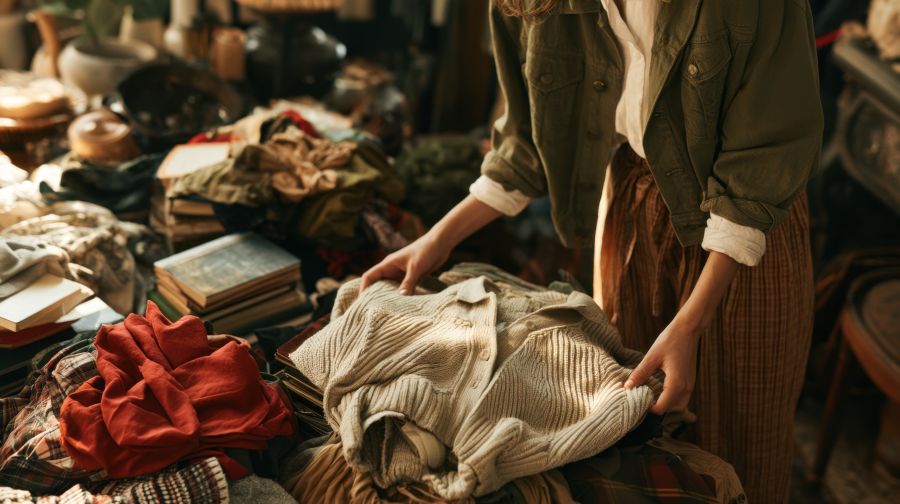
After someone dies, family members may be eager to clean out the house, donate clothing, give away furniture, or throw out items that appear to have little value. But moving too quickly can create problems. Before disposing of a deceased person’s belongings, it is important to determine who has legal authority over the property and whether the items may be part of the estate.
Who Has the Right to Handle the Belongings?
If probate is required, the person named as executor in the will does not necessarily have full legal authority immediately. In many cases, that authority begins after the court formally appoints the executor or personal representative. Until then, family members should be cautious about distributing or discarding property.
What Looks Worthless May Not Be
A box of papers may contain financial records, insurance policies, deeds, account information, tax documents, or estate planning documents. Old jewelry, collectibles, tools, artwork, furniture, coins, or family heirlooms may also have more financial or sentimental value than expected. Even ordinary household items may need to be handled according to the will or applicable inheritance rules.
What If Family Members Already Took Things?
This can become a source of conflict, especially if siblings or beneficiaries disagree about who should receive certain property. If items have already been removed, make a written list of what was taken and by whom. Photographs can also be helpful. The executor may eventually need to account for estate property and explain how assets were distributed.
What Can You Do Safely?
It may be reasonable to secure the home, remove trash or spoiled food, protect valuables, and prevent damage. However, before donating, selling, or giving away personal property, speak with the person responsible for administering the estate or an attorney familiar with California probate law.
Santa Barbara Estate Planning & Elder Law helps families in Santa Barbara navigate probate and estate administration. If you are unsure what you can safely remove, sell, donate, or distribute after a loved one’s death, call our office at (805) 946-1550.
Author Bio

Julianna Malis is the Founder and Managing Partner of Santa Barbara Estate Planning & Elder Law, a Santa Barbara estate planning law firm she founded in 2014. With more than 25 years of experience practicing law, she has dedicated her career to representing clients in a wide range of legal matters, including estate planning, elder law, Medicaid and Medicare planning, probate, and other estate planning areas.
Julianna received her Juris Doctor from the University of the Pacific — McGeorge School of Law and is a member of the State Bar of California.